AI virtual staging with your own furniture
For AI virtual staging with your own furniture, upload the empty room first and a separate photo of each piece, then specify where every item belongs relative to the walls and the other furniture.
Last updatedFour products placed into one empty room
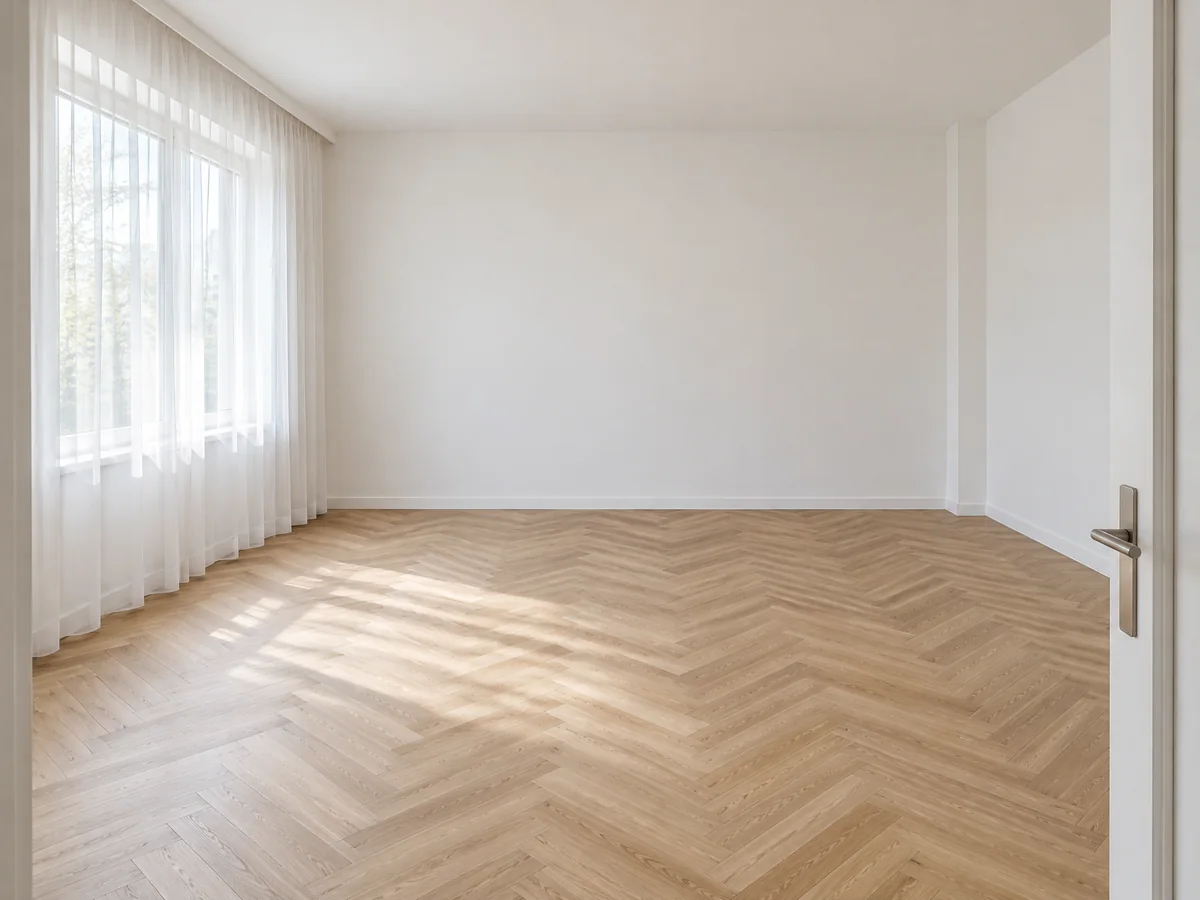
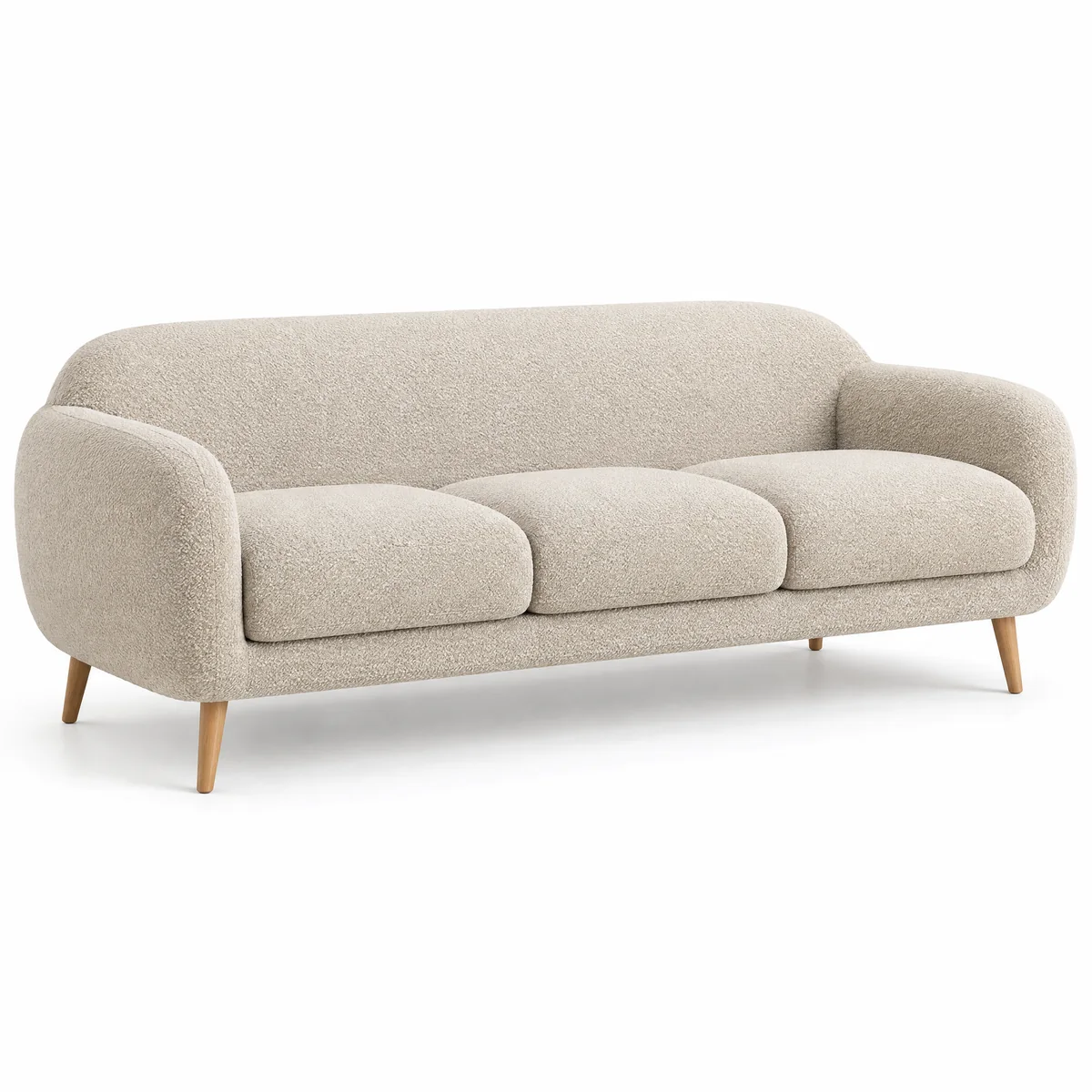
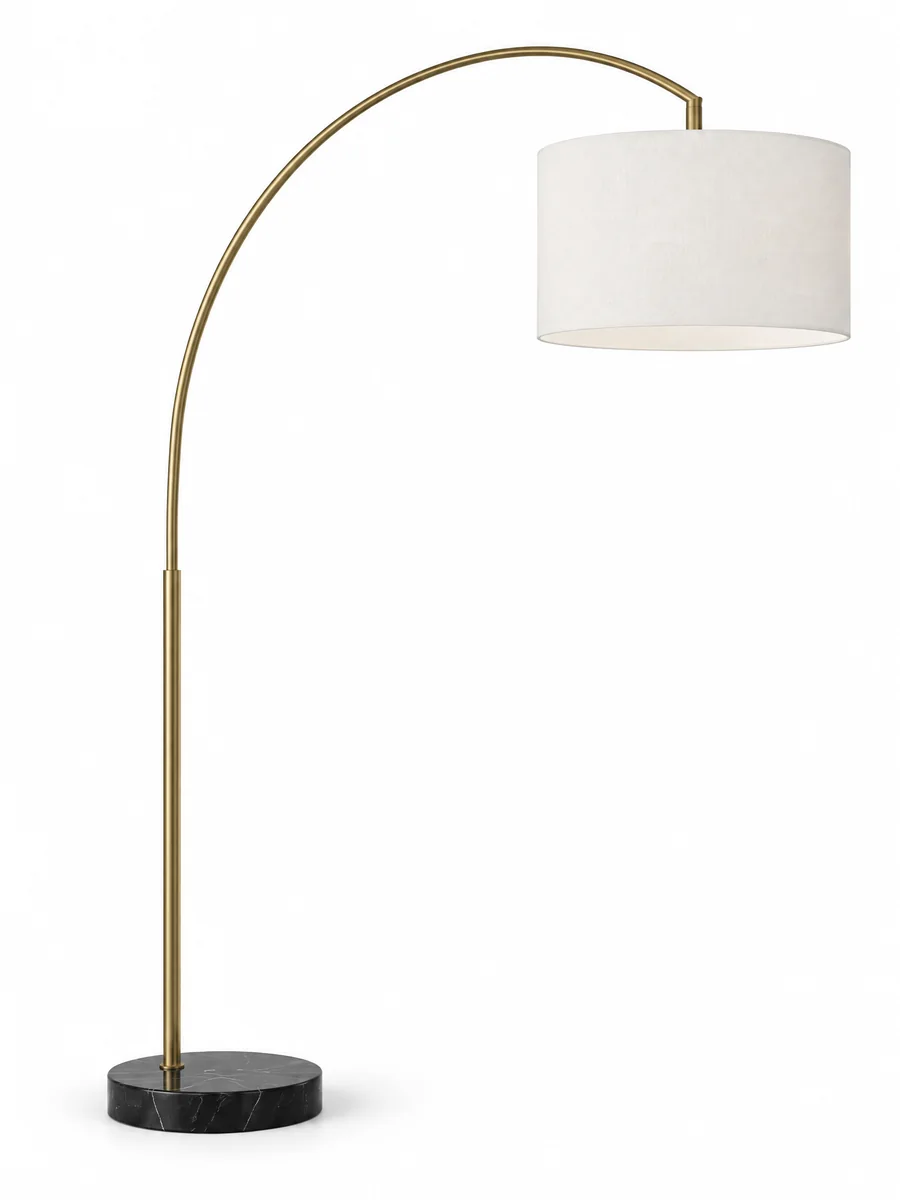
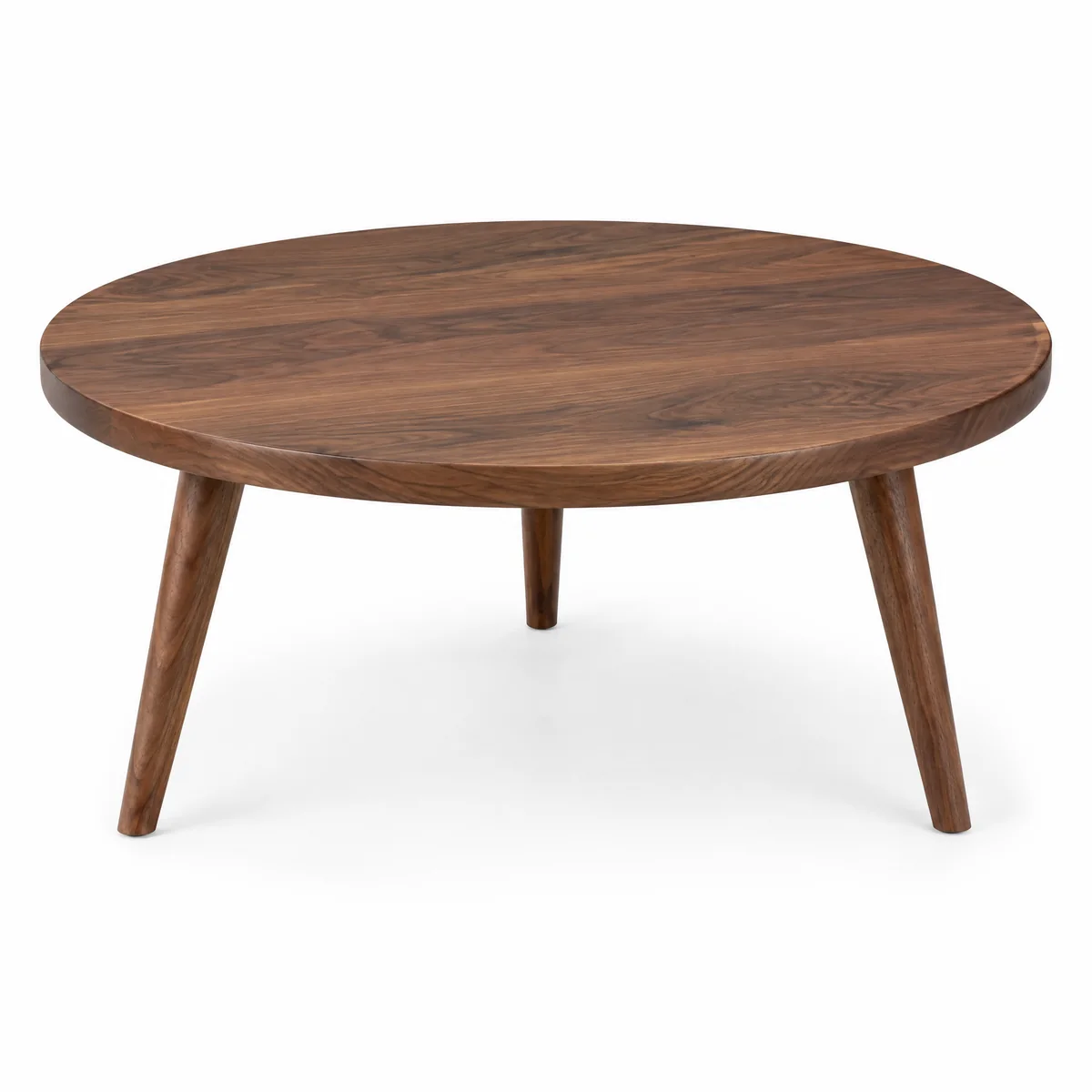
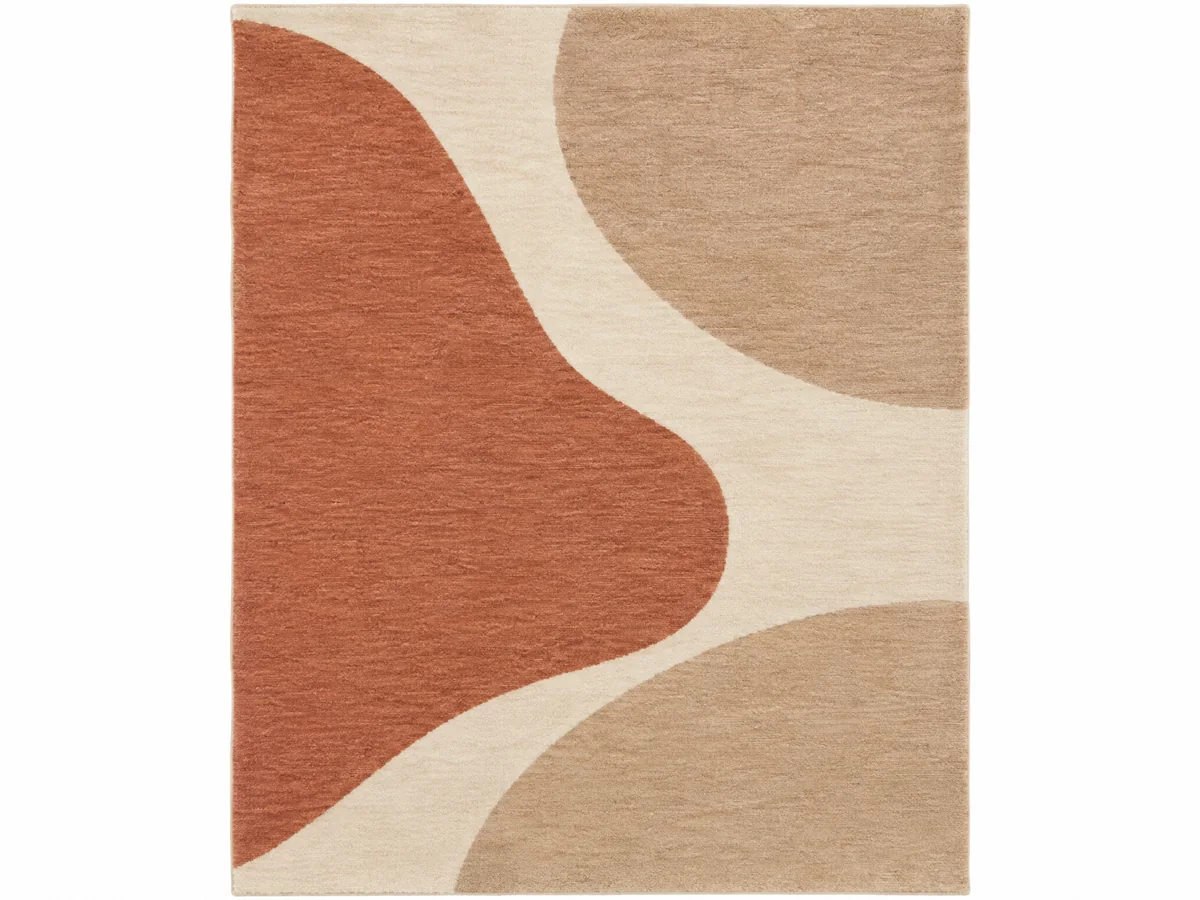
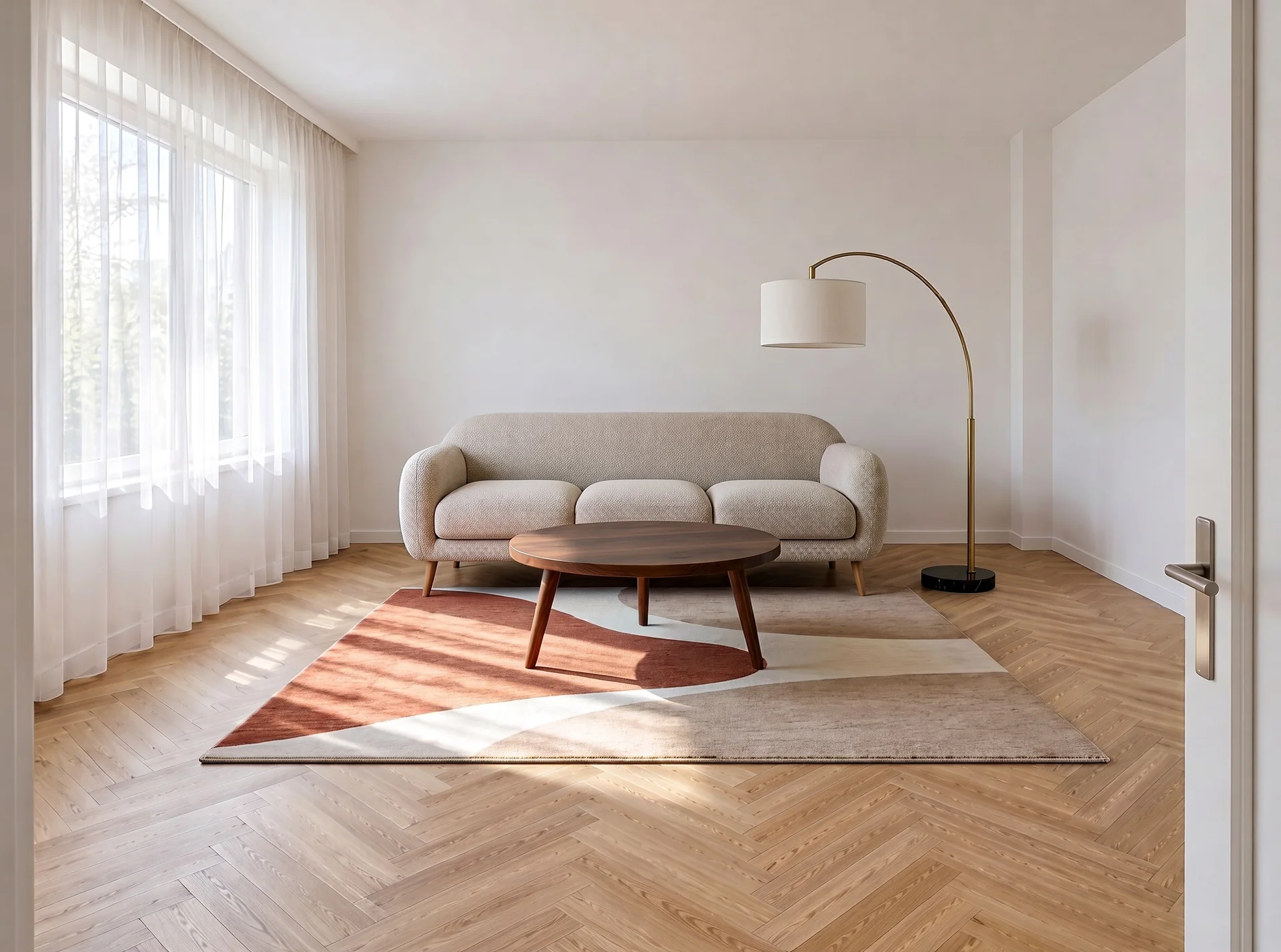
Five reference images in one request: an empty room plus a sofa, floor lamp, coffee table and rug. Each product keeps its shape, color and pattern; the room, floor, window and daylight stay.
These inputs were made with GPT Image as source material. The result was produced by one MiniMax H3 Image edit with them, in this order.
2K · 4:3 · H3Img credits for these settings 3
Original prompt (English)
Image 1 is an empty living room. Images 2 to 5 are four products: a sofa, an arc floor lamp, a round walnut coffee table and a patterned wool rug. Furnish the room from image 1 using exactly these four products and nothing else. Keep each product's shape, color, material, pattern and proportions. Keep the room's walls, herringbone floor, window, curtains, camera angle and morning daylight unchanged. Sofa against the back wall, rug in front of it, coffee table centered on the rug, lamp arching over the right end of the sofa. Realistic scale, contact shadows and window light on every item.Give each photograph a job
If you are moving house or presenting a furniture selection to a client, start with the view you want to discuss together. In the room case the first image shows the herringbone floor, back wall and a curtained window on the left. The four other pictures isolate the objects. This separates the architecture from the inventory. Before you open the editor, list the photographs in order and read your instruction against that list. A photo of a lamp supplies its shape; the room photo supplies the direction of daylight.
Describe the layout from the wall inward
The room prompt starts at the back wall with the sofa. It puts the rug in front of the sofa, the table in the center of the rug, and the arch of the lamp over the right end. This sequence lets you check the arrangement one relationship at a time. The resulting room retains the daylight and floor pattern along with the shapes and colors of the four pieces. Look closely at the rug under the table and the lamp base near the sofa before judging the room by its atmosphere.
Inspect placement separately from appearance
Two smaller product studies help explain what to inspect. In the serum scene the bottle still resembles its reference but stands in front of the stone that was meant to support it. Compare the feet of your furniture with the floor in the same way. The tea-tin study uses one design repeated in three colors and makes it easy to compare an outline and a printed motif across objects. Apply that kind of close comparison to the rug pattern and sofa fabric. Neither study measures the dimensions of the room.
Serum bottle moved to an editorial set
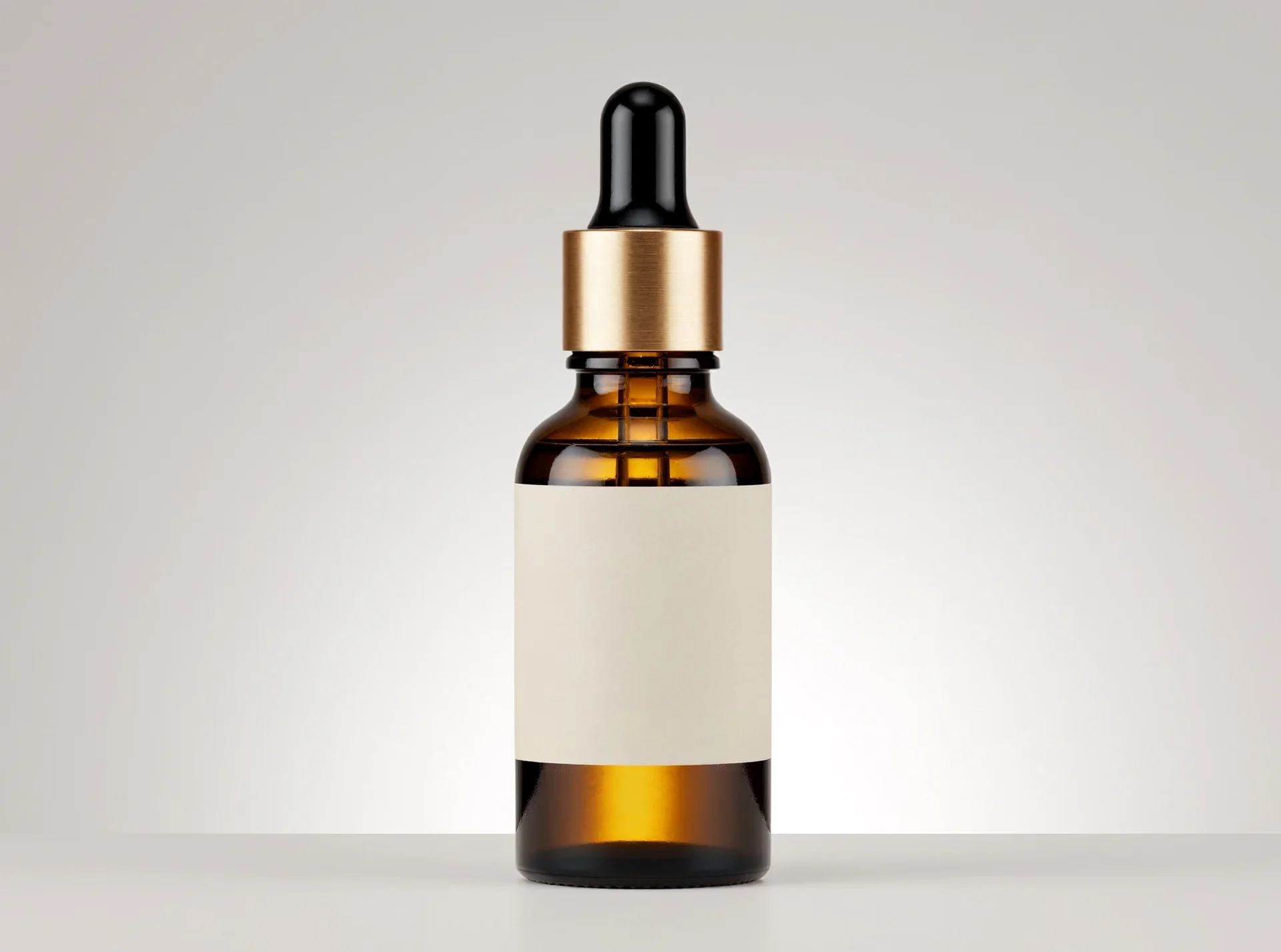
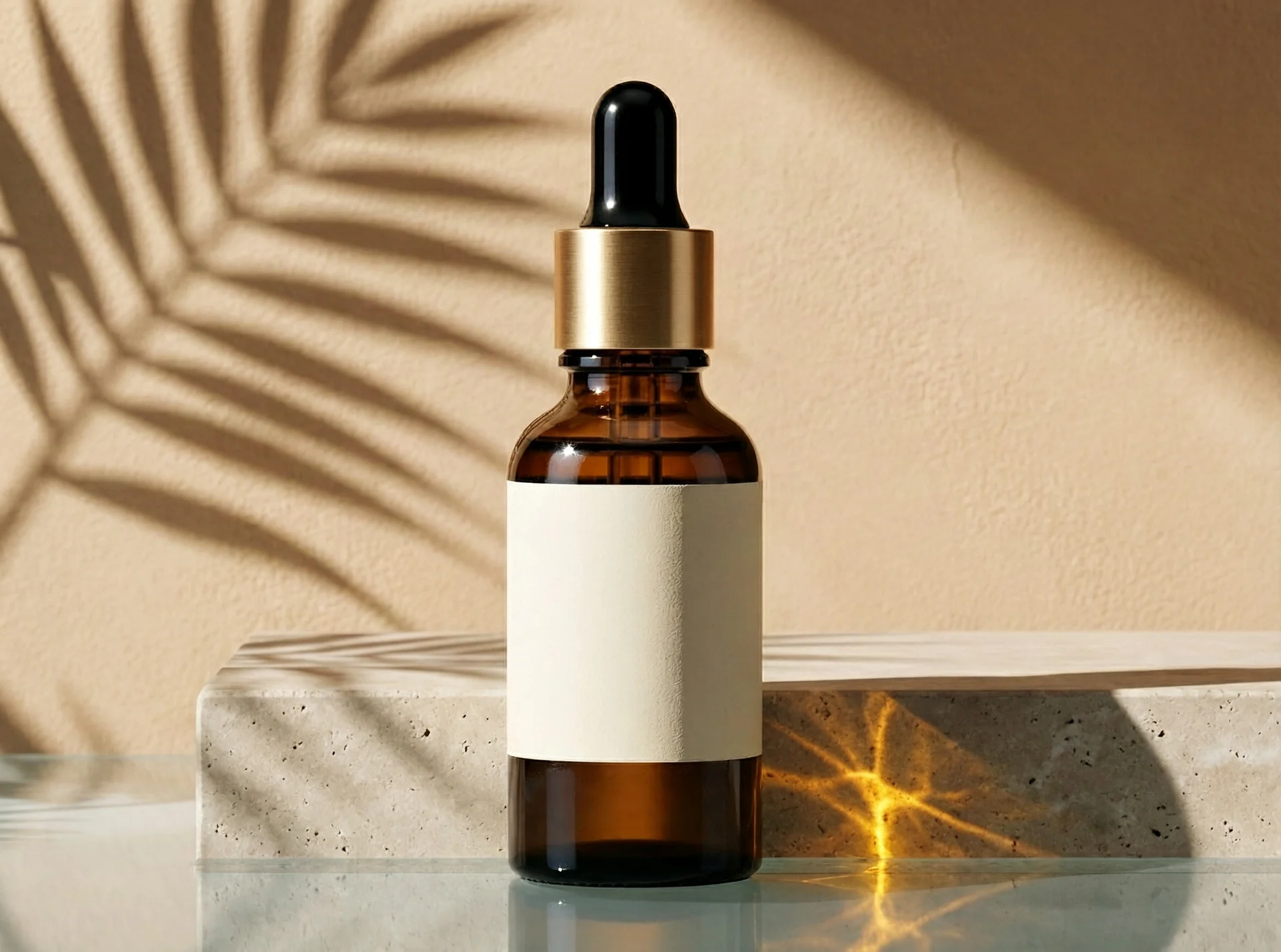
The packshot was the reference for one edit. Bottle, gold collar, dropper and blank label stay almost identical; the set becomes travertine with a palm shadow and an amber caustic. The requested water turned into a glossy glass-like surface, and the bottle stands in front of the stone rather than on it.
2K · 4:3 · H3Img credits for these settings 1
Original prompt (English)
Edit the supplied image. Keep the exact same serum bottle: amber glass, brushed gold collar, black dropper bulb, blank cream label, shape, proportions, position, scale, camera angle and framing. Replace only the seamless gray backdrop and floor with a premium editorial set: a honed travertine plinth with a thin layer of still water around its base, soft sunlight from the upper left casting a dappled palm-leaf shadow across a warm sand-colored wall. Let the amber glass throw a warm golden caustic onto the stone and a faint reflection into the water. The bottle stays sharp and fully visible. No text, logos or extra objects.One package design extended to a three-color line
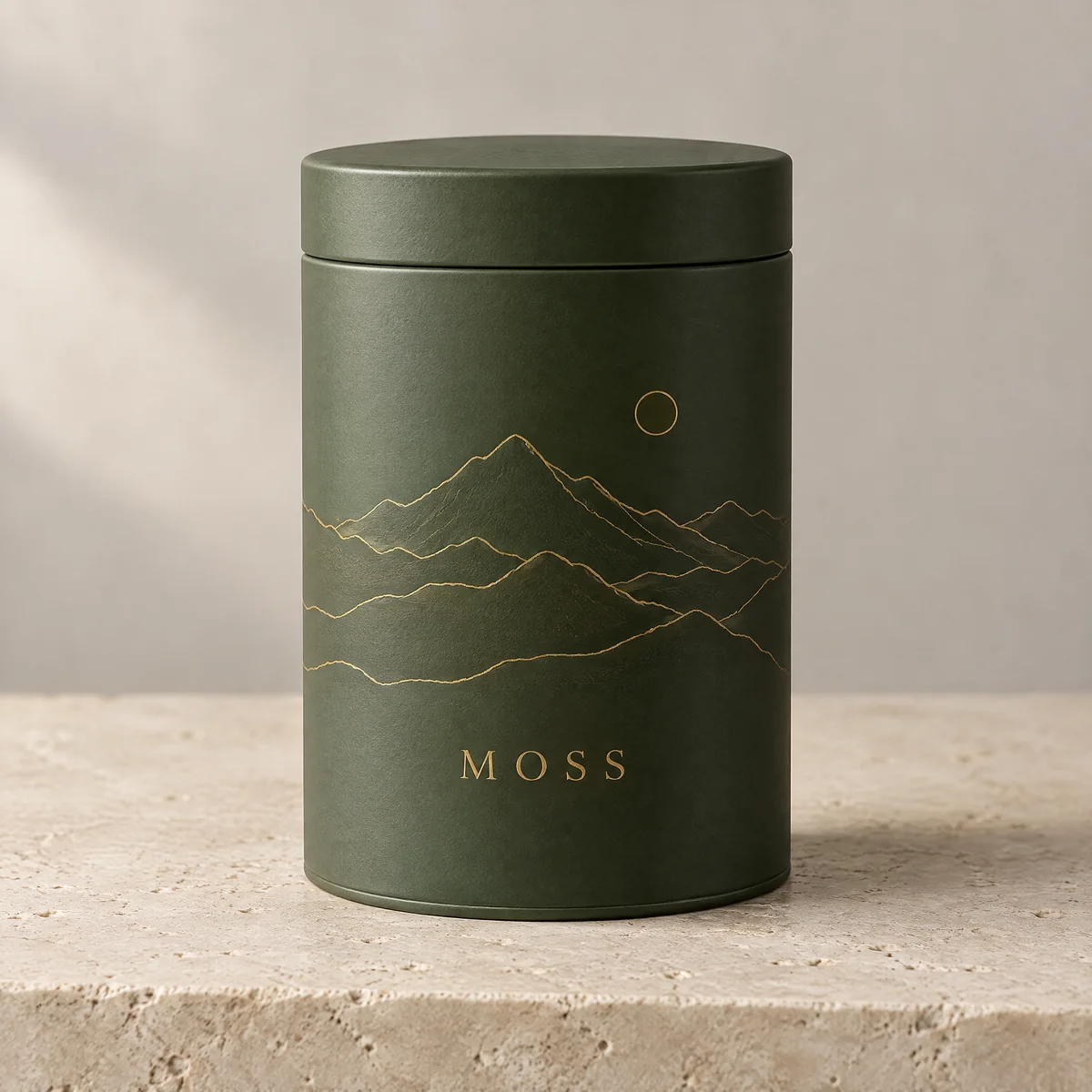
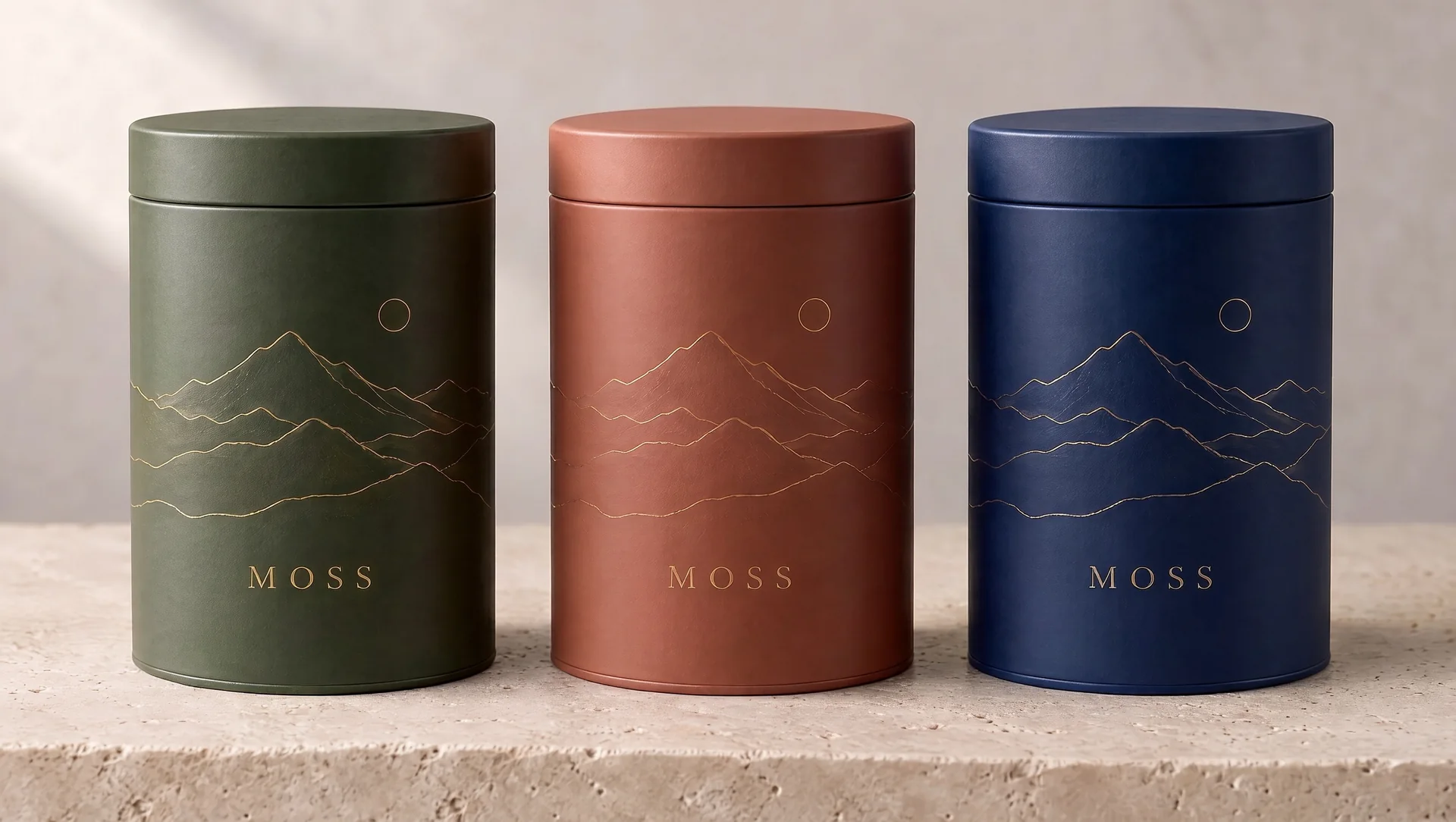
From one tin to a product line: shape, gold mountain drawing and the MOSS wordmark stay identical across green, terracotta and navy.
These inputs were made with GPT Image as source material. The result was produced by one MiniMax H3 Image edit with them, in this order.
2K · 16:9 · H3Img credits for these settings 1
Original prompt (English)
Use the supplied tea tin as the design master and create a product line photo: three tins of the same size and shape, each with the same gold mountain illustration and the same gold serif word MOSS, in three colors: the original deep moss green, a muted terracotta, and a deep navy. Arrange them side by side on a pale limestone shelf, soft light from the left, same warm-gray background. Keep the brand identical across all three. No other text or objects.Prompt to adapt
Picture 1 is my empty [room]. Pictures 2–5 show [sofa], [lamp], [table] and [rug], in that order. Put the sofa against [wall], the rug in front, the table on its center and the lamp beside [end]. Keep the floor pattern, openings, camera angle and daylight. Preserve each piece’s silhouette and material. Add only these four pieces.
Frequently asked questions
Will the sofa fit the real room?
Use the image to discuss appearance. For fit, measure the wall, sofa width and depth, and the remaining passage with the door open. The case used photographs and a placement instruction; it recorded no room measurements or measured clearance.
Why include the empty room as a separate reference?
It supplies the viewpoint, the window and the floor. With that reference beside the output you can check whether the window stayed in place and whether the floorboards continue in the same direction where the rug ends.